
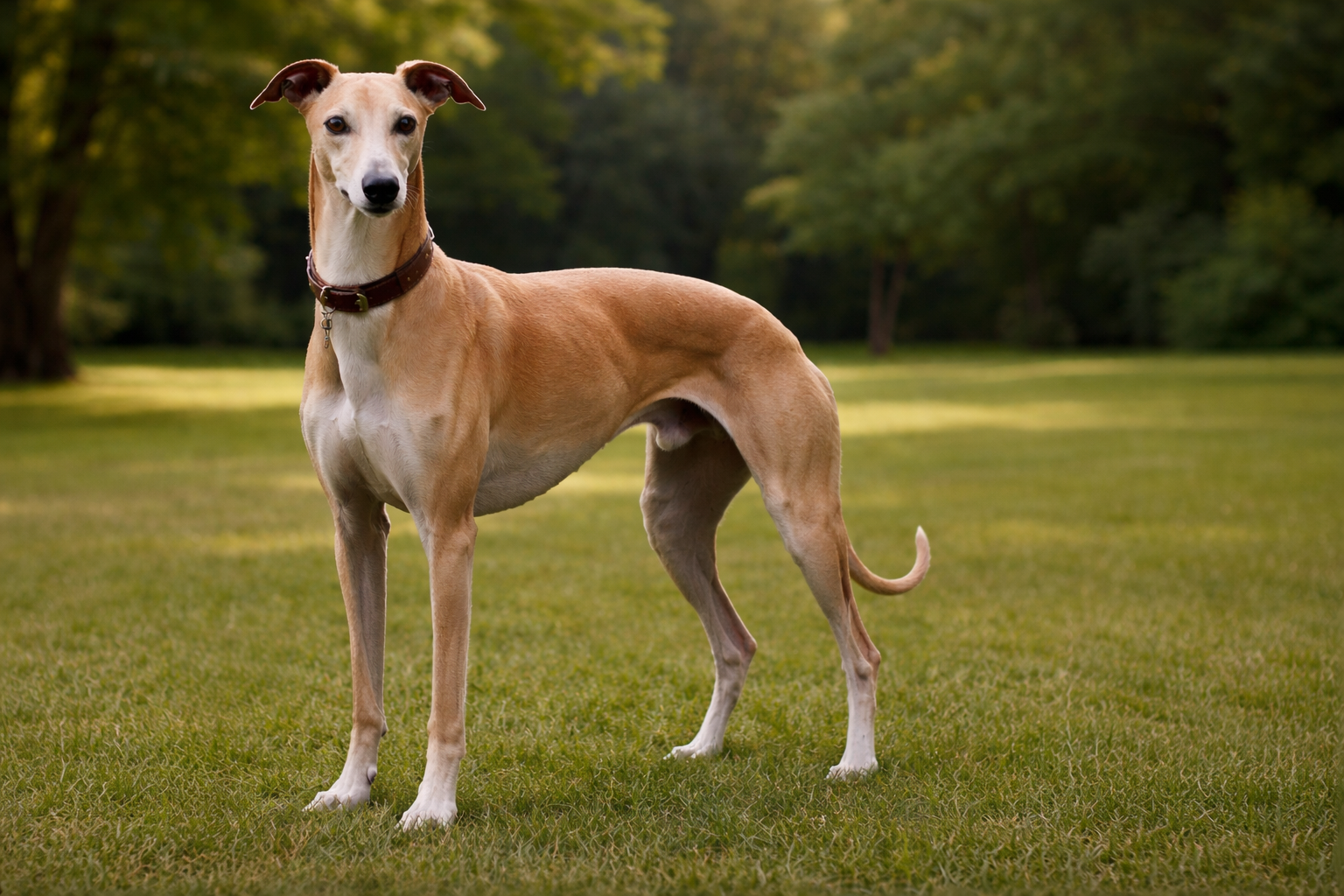
In recent times there has been numerous stories around the temperament testing of dogs for re-homing, in recent weeks we have been alerted to the story of Franklin a greyhound who unfortunately found his way to a Victorian shelter after his owner was no longer able to care for him, there were offers from a greyhound shelter to take him in but the Lost Dogs home would not release him until he had undergone a “ GRV temperament test” this was a dog who had previously been a well known canine member of his community and lived happily with another dog. But now he was to undergo a test of his temperament to be undertaken in an unfamiliar environment, with unfamiliar noises, all of this after going from living on a couch in a home to a kennel block with lots of unknown dogs.
So, what is involved in this testing? well according to the GAP page it involves:
Your greyhound must stay at the GAP kennels for several days to allow for temperament assessments to take place.
Your greyhound must pass a ‘small dog’ reaction test – ensuring that the greyhound would not show an excessive or dangerous reaction if encountering a small, active dog.
I would like to say that I have seen some of the training that goes into these dogs and a lot of time does go into attempting to re-train dogs to do such things as walk up stairs and other unfamiliar situations as any dog involved in re-homing should be.
In this example the dog is not in a GAP facility it is in a Shelter environment, and the question must be asked if these dogs are receiving the same level of training prior to their assessments?
In this instance a dog is put into a situation where it encounters a small active dog and if it reacts chances are it fails, it has been taken from the place it has called home and then tested against things it has probably never encountered before in the same context, greyhounds for example are sighthounds so like to chase things, if a saluki was to be temperament tested for re-homing do they face this same testing method? I wouldn’t think so.
We then have to look at the temperament testing of other dog breeds, there has been many times that we have seen footage and read stories that involve dogs that have been taken for example from factory farming situations, they are placed into a kennel environment in some instances with their puppies, we have then seen “behaviourists” watching these dogs from outside of their enclosure staring them down, and then entering to be met with reactions such as hiding and growling, these dogs are usually found unsuitable for re-homing.
We need to break this down and think about a dogs natural behaviour to take the fight or flight option when under stress, so you have a dog that has been taken from appalling situations where they have probably not had human contact except to feed and take their babies away, now we have people everywhere, new unfamiliar sounds and smells, people staring them down and then entering “their space” how do we expect them to react?
Are we setting these dogs up to fail? Is there a better way to undertake this testing? What are the real fail rates regarding euthanasia due to behavioural issues, organisations such as the RSPCA release their euthanasia rates in a very generic pie chart format without any real accompanying data, why? Why will large organisations such as this not release numbers?
Society understands that not every dog is suitable for re-homing but having a better idea around the reason for euthanasia is something that needs to be analysed and discussed, it will allow us to better understand where we are letting our canine society members down, is it overbreeding or purely under-socialising? Where do we have to ensure there is further education and legislation to reduce these numbers.
By: Kylie Gilbert – Animal Care Australia Dog Representative – Originally published: March 2020 ACE Newsletter.


