
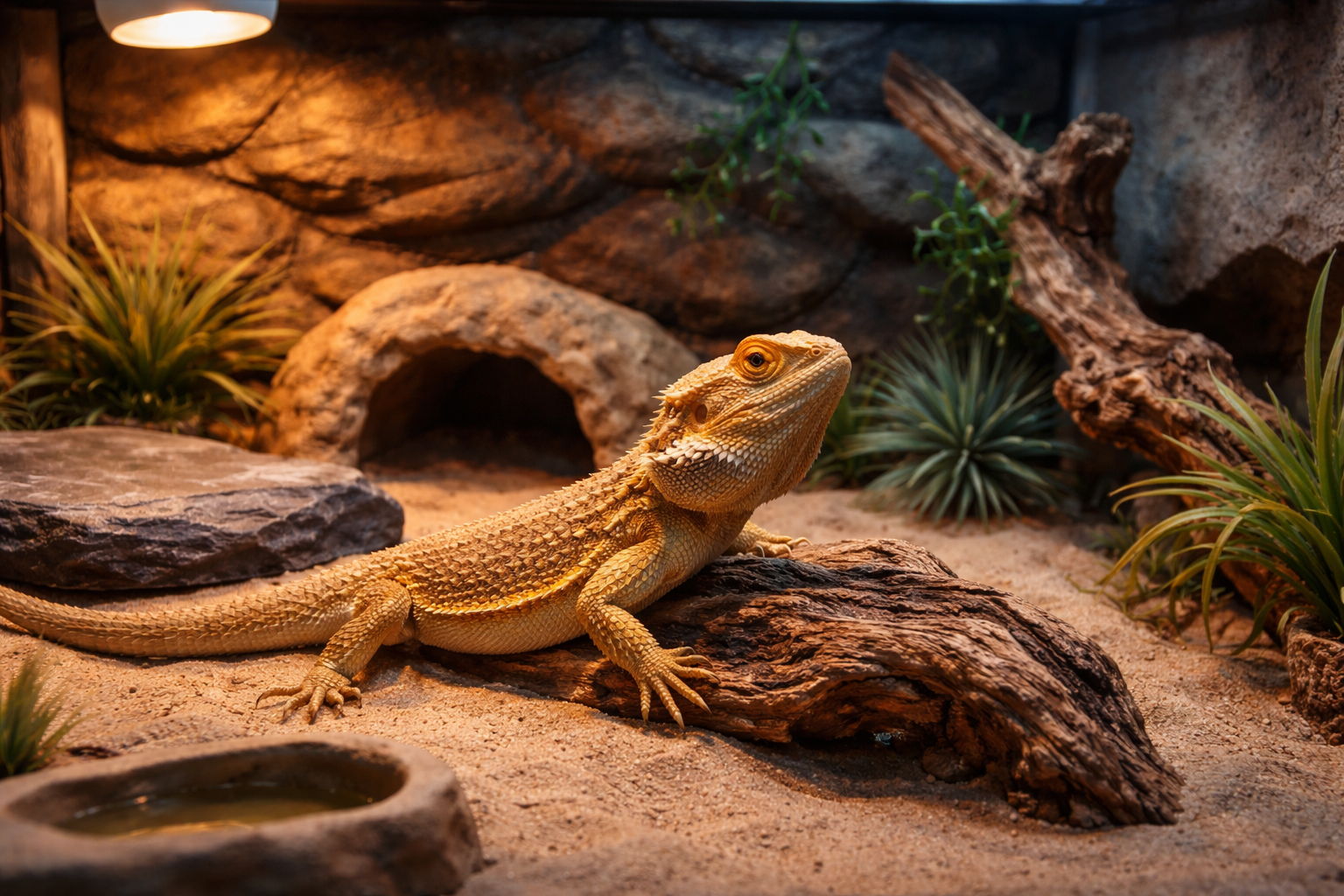
Reptiles are becoming increasingly popular as pets — and for good reason.
Reptiles are becoming increasingly popular as pets — and for good reason! With their fascinating behaviors, striking appearances, and low-maintenance routines (once properly set up), reptiles can offer years of enjoyment. But let’s be clear: “low maintenance” doesn’t mean “no maintenance.”
Gone are the days when people would pick up a “penny turtle,” drop it into a tiny tank, and hope for the best. Many of those early pets didn’t survive because their basic needs weren’t met — not out of cruelty, but often due to a lack of knowledge.
These animals have specialised requirements, and getting their care right from the beginning is critical to ensuring a long, healthy, and enriching life for them.
One Size Does Not Fit All:
One of the most common misconceptions about reptile care is that all reptiles can be kept the same way. In reality, the needs of each species can vary significantly:
- Desert species, like bearded dragons, typically require higher temperatures and stronger UV lighting.
- Forest-dwelling species often need more moderate, stable temperatures and lower UV exposure.
- Snakes may seem content in small spaces, but still need room to stretch and move to stay healthy.
- Geckos are compact and suited to smaller enclosures, while monitors or larger lizards need substantial space and more complex setups.
Some reptiles thrive in solitude, while others — a much smaller number — may tolerate or even benefit from group living. Knowing which is which is vital.
Knowledge Is Key
So how do you find out what your new pet really needs? The best place to start is by joining a reptile society.
These organisations exist in every Australian state and are filled with experienced keepers, breeders, and enthusiasts who are more than happy to share their knowledge.
Many also maintain active social media communities, making it easier than ever to connect and ask questions. And remember — no question is a silly question when it comes to animal welfare.
Don’t Forget the Legal Side
Every Australian state has a code of practice for reptile keeping — and some of these have mandatory requirements. Make sure you’re up to date with your local laws to avoid fines, confiscation of your pet, or inadvertently harming your animal through improper care.
While official codes provide the legal baseline, the best and most current welfare practices are often found through discussion with experienced keepers and breeders. They’ve been through the trials and errors and can offer guidance you won’t find in a generic care sheet or pet shop brochure.
Your Home, Their Habitat
Before bringing a reptile home, ask yourself:
- How much space do I have to dedicate to this animal?
- Can I maintain temperature and lighting gradients suited to their natural habitat?
- Am I prepared for the lifetime of care this species requires?
Reptiles may be “easy-care” compared to some traditional pets, but their needs are specific, and their setups must be spot-on from the start.
Ready to Reptile?
If you’re considering bringing one of these incredible creatures into your life, take the time to do the research, join a society, and ask questions. Once you have the correct setup, reptiles can thrive with relatively little ongoing effort — giving you a fascinating, beautiful, and rewarding companion for years to come.
So what are you waiting for? Find your local reptile society, start learning, and begin your journey into the wild and wonderful world of reptiles.
Reptile Societies that are members of Animal Care Australia:
- Illawarra Reptile Society
- Central Coast Herpetological Society
- Macarthur Herpetological Society
- North Coast Herpetological Society and,
- Australian Herpetological Society
- Victorian Herpetological Society
By: Joanne Payne – Animal Care Australia Reptile & Amphibian Representative. Published: September 2025 ACE Newsletter


