
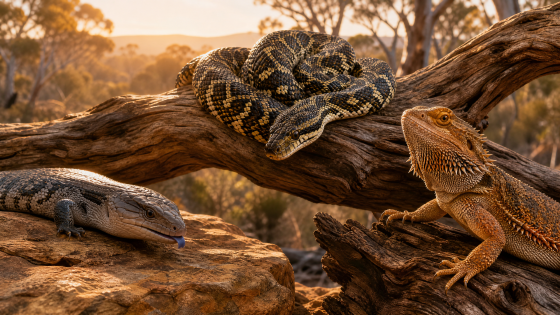
Reptiles are often advertised as easy or “low-maintenance” pets, but this misconception can lead to poor welfare outcomes for the animals. While reptiles can become relatively easy to care for once their enclosure and husbandry are properly established, they still require specialised care, research, and an understanding of their natural behaviours and environmental needs.
One of the most important aspects of reptile welfare is ensuring the enclosure is correctly set up from the beginning. Different species have very different requirements for temperature, humidity, lighting, diet, and space. A snake from an arid environment will require very different conditions to a tropical lizard or a semi-aquatic turtle. Unfortunately, many reptiles suffer because owners rely on incorrect or outdated advice, or assume all reptiles can be cared for in the same way.
Heating and lighting are particularly important for reptile health. Lizards, for example, require access to UVB lighting during daylight hours to help them metabolise calcium and maintain healthy bones. During the cooler winter months, lighting times can be shortened to better reflect natural seasonal daylight cycles, while heat sources may also need to be adjusted. Snakes generally do not require UVB lighting in the same way many lizards do, but they still require appropriate temperatures and seasonal management.
Many reptiles also naturally undergo a period known as brumation during winter. Brumation is similar to hibernation and occurs in many healthy adult snakes and lizards when temperatures and daylight hours decrease. During this time, reptiles become far less active and often stop eating altogether. When done correctly and with healthy, appropriately sized animals, brumation can be a natural and beneficial process. However, improper cooling or lack of knowledge can create serious health risks, which is why reptile keepers should thoroughly research the specific requirements of their species before attempting it.
Although reptiles may not demand the same daily attention as dogs or cats, they are far from “set and forget” pets. Their welfare depends heavily on correct husbandry, observation, and ongoing learning from the keeper. Owners should always seek information from reputable sources such as reptile societies, qualified exotic veterinarians, and books written by experienced long-term keepers rather than relying solely on social media or pet shop advice.
With the right knowledge and preparation, reptiles can thrive in captivity and become rewarding animals to keep. Responsible reptile ownership begins with education, patience, and a commitment to meeting the specific needs of each individual species.
By: Joanne Payne – Animal Care Australia Reptile & Amphibian Representative. Published: June 2026 ACE Newsletter


