
Warmer weather brings new opportunities—and new risks—for our feline friends
Spring is a beautiful time of year. The days become longer, temperatures rise, gardens burst into life and, for our cats, the world becomes filled with new sights, sounds and smells.
But spring also brings some seasonal challenges for cat owners. Breeding activity increases, kittens begin appearing, parasites become more active and gardens can contain plants that are dangerous to cats.
With a little preparation, however, we can help our cats enjoy spring safely.
🐱 Spring is breeding season
The increasing hours of daylight in spring can stimulate reproductive activity in cats.
Un-desexed female cats may come into season, and their behaviour can change noticeably. They may become more vocal, affectionate, restless or determined to get outside. Male cats may also become more interested in roaming and searching for females.
This is one reason spring and early summer can see an increase in unwanted litters.
Responsible breeding requires careful planning. For owners who do not intend to breed, desexing is an important part of responsible cat ownership and can help prevent unplanned pregnancies.
For breeders, spring is also a reminder that breeding should be approached with careful consideration of health, temperament, genetics and the future welfare of both the queen and her kittens.
🍼 The arrival of kittens
Spring can also mean an increase in the number of kittens needing homes.
While kittens are undeniably adorable, raising a litter is a significant responsibility. Kittens require appropriate nutrition, veterinary care, parasite prevention, vaccinations, socialisation and plenty of human interaction.
For breeders, the early weeks provide an important opportunity to introduce kittens to a range of positive experiences. Gentle handling, appropriate play, household sounds and exposure to normal daily activities can help kittens develop into confident and well-adjusted cats.
For anyone considering getting a kitten, remember that a kitten is a commitment that can last 15–20 years or more.
The cute kitten stage is only the beginning of a lifelong relationship.
🪳 Spring means parasites
Warmer weather can create favourable conditions for fleas and other parasites.
Fleas aren’t simply an irritation. A significant flea infestation can cause considerable discomfort and skin problems, and some cats can develop flea allergy dermatitis.
Fleas can also contribute to the transmission of certain parasites.
Regularly checking your cat and discussing an appropriate parasite-prevention program with your veterinarian is particularly important as the weather warms.
Remember that not every flea product is suitable for every cat. Some products designed for dogs can be extremely dangerous to cats.
Always use products specifically labelled for cats and follow the directions carefully.
🌿 Spring allergies
Spring brings pollen, grasses and flowering plants—and some cats can be sensitive to environmental allergens.
Cats may show signs such as:
- Increased scratching or grooming
- Red or irritated skin
- Hair loss
- Sneezing
- Watery eyes
- Skin lesions
- Recurrent ear irritation
However, these symptoms can have many possible causes, including parasites, infections and food or environmental allergies.
If your cat develops persistent itching, skin problems or respiratory symptoms, don’t simply assume it is hay fever. A veterinary examination can help identify the underlying cause.
🌺 Beautiful plants can be dangerous
Spring gardening can present another hazard.
Many plants can cause illness in cats, while some are potentially life-threatening.
Lilies are particularly important.
True lilies and daylilies can cause severe poisoning and potentially fatal kidney failure in cats. All parts of the plant can be dangerous, and exposure can occur through eating the plant, pollen or even drinking water from a vase containing lilies.
If you have cats, the safest approach is to keep lilies completely out of the home and garden.
Don’t assume a plant is safe simply because your cat has ignored it in the past. Curious cats may investigate plants at any time.
Before bringing a new plant into your home or garden, check that it is safe for cats.
🌱 Create a cat-friendly garden
A cat-friendly garden doesn’t have to be boring.
You can provide safe areas for your cat to explore, hide, climb and observe the outdoors.
Consider providing:
- Cat-safe grasses
- Shady resting areas
- Secure hiding spots
- Elevated observation areas
- Scratching opportunities
- Cat-friendly plants
- Safe areas away from garden chemicals
If your cat has outdoor access, make sure the environment is secure and that they cannot wander onto roads or into unsafe areas.
For cats kept indoors, you can bring some of the sights and smells of spring inside through safe plants, enrichment activities and access to secure windows or cat enclosures.
🐝 Watch those curious paws
Spring also means more insects.
Cats are natural hunters and may spend hours watching or chasing insects around the garden.
Most encounters will be harmless, but curious cats can occasionally be stung or bitten.
If your cat develops sudden swelling, difficulty breathing, weakness, vomiting or other concerning symptoms after an insect encounter, seek veterinary advice promptly.
🏡 Spring is a great time for a health check
Spring is an excellent opportunity to give your cat a little seasonal check-up.
Take a look at:
Eyes: Are they clear and free from unusual discharge?
Ears: Are they clean and free from excessive wax or irritation?
Coat: Is there any dandruff, matting, hair loss or excessive grooming?
Skin: Are there any lumps, scabs, redness or sores?
Weight: Has your cat gained or lost weight?
Nails: Do they need attention?
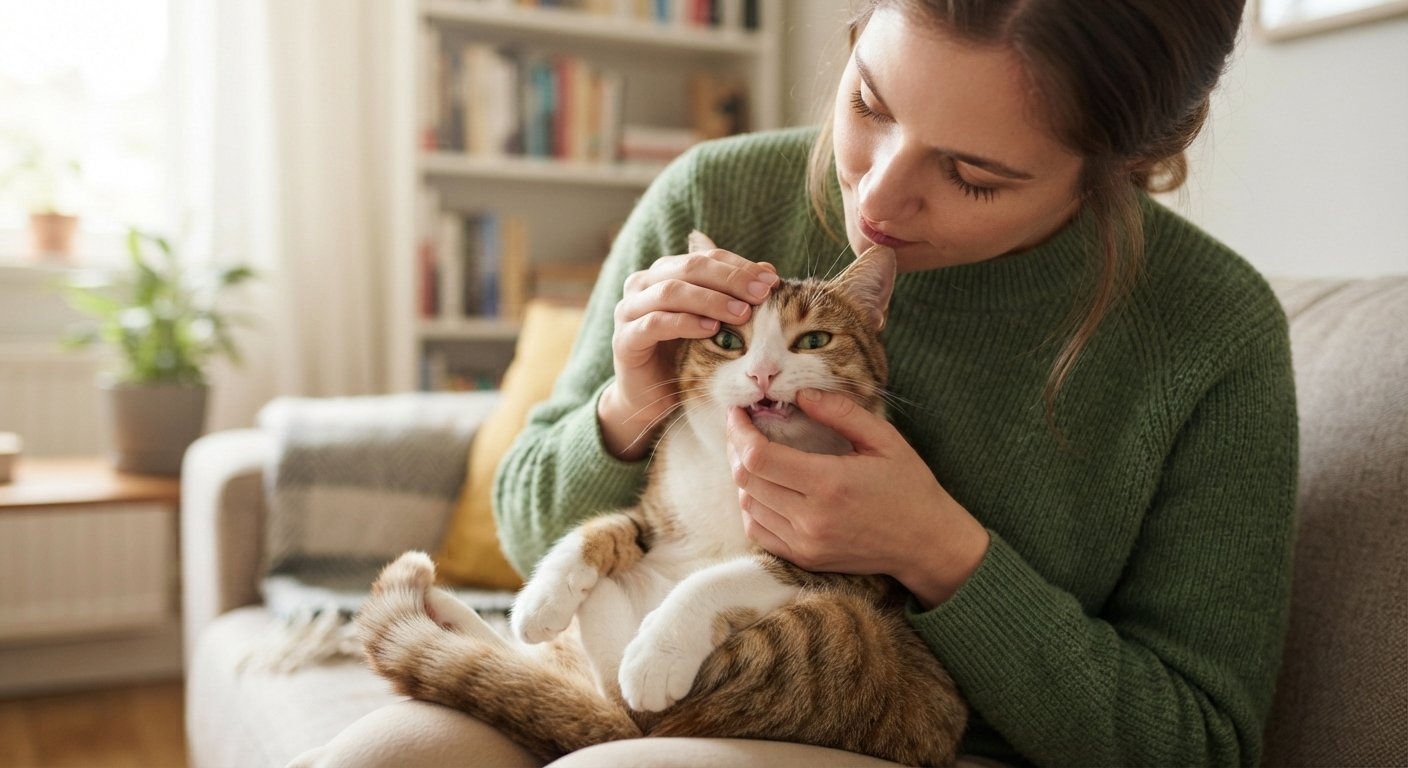
Teeth: Are there signs of tartar, bad breath or difficulty eating?
Small changes can sometimes be an early indication that something isn’t quite right.
🌸 Enjoy spring with your cat
Spring is a wonderful opportunity to refresh your cat’s environment and enrichment.
Introduce new toys, create safe places to climb and hide, provide opportunities for interactive play and spend time enjoying your cat’s company.
For breeders, it is a time to prepare carefully for potential litters and ensure that every kitten receives the best possible start.
For pet owners, it is a reminder to review parasite prevention, check the garden and make sure the home remains a safe environment.
And for everyone who loves cats, spring is simply another reason to appreciate the wonderful creatures sharing our homes.
🌷 Spring checklist
Before spring gets into full swing, ask yourself:
☐ Is my cat’s parasite prevention up to date?
☐ Is my cat desexed if I don’t intend to breed?
☐ Have I checked my garden for toxic plants?
☐ Are lilies completely absent from my home?
☐ Is my cat protected from unsafe outdoor access?
☐ Have I checked their coat, skin, eyes and ears?
☐ Does my cat have plenty of enrichment and places to hide?
☐ If I’m a breeder, am I prepared for the responsibilities of raising a litter?
A little preparation can make spring safer, healthier and happier for our cats. 🌸🐾
By: Michelle Grayson – Animal Care Australia Cat Representative. Published: September 2026 ACE Newsletter


1 thought on “Cats & Spring: What Every Cat Owner Should Know”