In Australia, our system for managing lost, unowned, or surrendered companion animals has roughly 3 “layers”.
- Pounds
- Shelters
- Rescues
Let’s break them down into their primary roles/functions, shall we?
Pounds:
- Generally the responsibility of Local Government (councils)
- May be owned/run by council, or contracted out to a private business/facility
- Some contracts may be taken on by those in the “shelter” business also
- Entry point of the system for stray/roaming animals, and some owner surrenders
- Animals may be rehomed directly from the pound, or transferred to a shelter or rescue group to maximise rehoming prospects
- Animals rehomed from pounds are not required by law to be desexed before rehoming, but many do desex them first
- Generally have limited space for large numbers of animals – they are supposed to be temporary holding facilities only
- Due to space, longer term animals that have not been able to move out to shelters or rescues may need to be euthanised to make room for incoming strays
- Some animals may be euthanised due to unsuitability for rehoming – aggressive animal or legal reasons
Pound holding periods differ across the states, so it’s best to familiarise yourself with those timeframes in case you need to reclaim a lost pet from the pound.
Shelters:
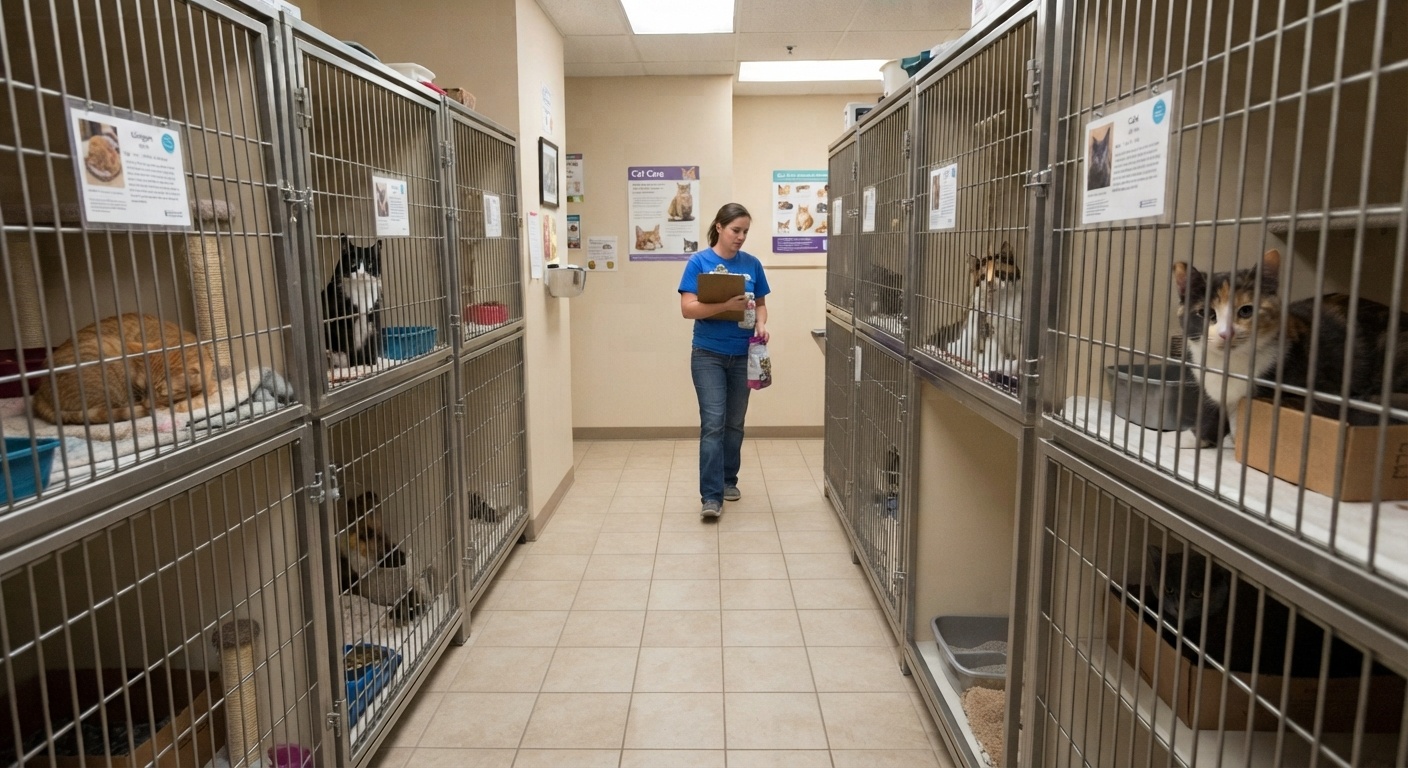
- Generally are kennel/cattery facilities designed to hold more animals for longer timeframes than pounds can
- Examples of larger shelters are RSPCA and Animal Welfare League
- Some shelters also operate pound services – e.g. Sydney Dogs and Cats Home
- Some shelters also have a foster carer network that can take animals into a home environment during rehabilitation or time waiting to be adopted
- Most shelters only take in animals from pounds or from owner surrenders – unless the shelter is contracted for pound services like the example above
- Animals rehomed from shelters are generally required by law to be desexed before rehoming
- Most shelters are run as a business and employ a number of paid staff as well as using volunteers
Rescue groups:
- Usually volunteer run and operated
- Generally consist of foster carer networks
- Animals rehomed from rescues are generally required by law to be desexed before rehoming
- Some rescues “specialise” – cats, dogs, pocket pets (rabbits, guinea pigs, rodents), certain breeds or breed types, wildlife, livestock, etc
- Rescue companion animal intake can is generally from pounds or shelters or owner surrenders
- Wildlife rescues operate under different legislation to companion animals
So, how do these layers interact with each other?
Pounds are the first place a stray animal should be taken – usually by law – although some states have legislation that may allow cats to roam at will (NSW), so pounds generally will not take them in when brought by members of the public, only if council rangers bring them due to compliance seizures and the like.
Shelters cannot take in strays. They can take in animals from pounds, or from owner surrender only. They primarily tend to rehabilitate animals in their care to be rehomed to the general public.
Rescue groups also cannot take in strays by law – although “colony/community” cats may be a source for cat rescue groups, as these cats don’t have any identified owners. Most rescues source animals from pounds, shelters, and even transfers between rescue groups can happen.
Now for the “fun” part…
Pounds and shelters are held to specific legally enforceable standards and must show compliance via strict record keeping and reporting to authorities. Facilities can be audited at regular intervals to ensure compliance also.
Rescue groups are not regulated or held accountable by any legal authority other than those tasked with investigating claims of poor welfare situations. In NSW, the Office of Local Government (OLG) has an “Approved Rehoming Organisations” scheme whereby some rescues have opted into the scheme in return for some regulatory leeway (ability to take animals from pounds with little to no charge, registration concessions, etc) in return for providing reports on their activities on an annual basis. The vast majority of recues in NSW are NOT registered in the OLG “Approved Rehoming Organisation” scheme… specifically smaller cat rescues who don’t see enough incentives to register and report.
What we really now need to ask is why do the majority of “players” (rescue groups) in the whole system have no legislated accountability for their operations? Rescue groups are the one part of this sector that effectively rehomes most of the animals that find themselves in that system, yet once those animals are in that section of the system, virtually all welfare accountability stops being monitored – unless they opt in to a scheme like the one run by NSW OLG.
Government seems loathe to regulate the rescue industry, as that will cost money that they currently don’t spend, yet the “job” of managing/rehoming lost animals is ultimately the responsibility of government. The fact that rescue groups exist at all is a sad indictment on how seriously government seems to take that responsibility.
By: Tracey Dierikx – Animal Care Australia Exhibited Animals Representative. Published: September 2026 ACE Newsletter


