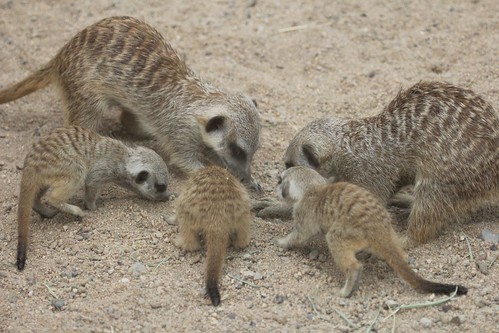
On a recent visit to one of Sydney’s zoos, I was confronted by multiple classes of school students from varying age groups. The first thought was one of “oh heck… this is going to be fun navigating around hordes of excited children poorly controlled by their carers”… but then I stopped and thought about the reason these children were visiting. They were there to learn about the various species housed there. I decided to take the opportunity to talk to some of the children and their carers/teachers about the animals they were seeing around the zoo. Questions fired back and forth, most of the children were really engaged and wanting to know more.
I will admit that not all zoos have worked out the perfect way to impart educational messages regarding animal extinction rates, loss of habitat, poaching, and the general rigours of being an animal in the wild fighting for survival every single minute of every single day. Most zoos have the obligatory signage, keeper talks at set times of the day, exhibits set out to try to resemble as natural a habitat as possible, etc… but it is an evolving process.
Are there better ways to get the messages across? Definitely! We must never become complacent about how we educate our future (and present) generations about animals. We must continuously review what is and isn’t working, explore more effective ways of getting those messages across to the benefit of all involved.
By explaining the massive differences between generations of captive born animals and their wild counterparts with regards to how they interact with each other and the environment they are in; why we have exotic species of animals in zoos and wildlife parks; why those animals are being bred in captivity; how the survival of species at risk of extinction depends upon zoo breeding programs; and the fact that most captive born species cannot be released to the wild; we can overcome many of the mistruths and in doing so the important role played by zoos.
We have come a long way from the zoos of old, and this needs to be acknowledged.
As does the fact that it is a constantly evolving process, and we won’t always get every little aspect right 100% of the time.
Unfortunately, progress in this area requires funding. If we are looking to employ staff to be out talking to and educating the public, that takes money – or at the very least a comprehensive volunteer program, which actually does cost money to run too. At the moment, most zoos are privately run, and rely on gate takings to fund all facets of running the zoo. Very few privately run zoos receive any government funding, and that needs to change if we are looking to utilise zoos to their fullest potential in the education sphere.
The Animal Justice Party clearly state that they wish to remove government funding from zoos that do not remove non- native species from their collections – when removal of those species also removes the opportunity to educate the public about those species.
Where is the sense in that if we are looking to understand and educate about human impact on all species across the world?
By Tracey Dierikx — Animal Care Australia Exhibited Animals Representative – Originally published: June 2022 ACE Newsletter.


