26th April 2024 – Opening Statement.
Good morning Chair and Committee,
I request this statement be tabled.
In 2019 Animal Care Australia supported a recommendation that resulted in the creation of this annual Inquiry in order to address concerns that the charitable organisations were not accountable for their actions or the services they provide on behalf of the state.
Some five years later Animal Care Australia is not in a position to confidently state that much has changed. Having said that, it is pleasing for us to continue to support the ethos of the Animal Welfare League and while we would like to see some additional breakdown of financial reporting, we wish to make it clear that today the AWL will not be the focus of our testimony.
This morning, I was originally intending to outline the major points from our submission. Instead though I will simply make the following points:
- Early 2023 the NSW Govt gave the RSPCA an additional $20m for enforcement and in the same financial year an additional $10.5m for various upgrades. This year the RSPCA testified that $20m must continue for them to be able to continue to provide that enforcement.
- RSPCA has their shiny new shelter while other shelters have either closed or are providing a reduced service.
- Local Councils across the State have been told they are now solely responsible for the intake of surrenders. Makes one wonder what will be filling that new shelter?
- The CEO and Chief Inspector have publicly stated the RSPCA has a new focus of being enforcers – perhaps that’s due to a potential annual $20m incentive?
- Touted as animal welfare experts by the current and previous Governments and yet:
- Supported and were complicit in the removal of a prohibition of aerial culling during foaling season. In fact to then defend their position claimed there is no such thing as a foaling season.
- Declared taking an average of 7 to 15 shots to kill a horse meets animal welfare standards.
- Euthanised 50 birds seized from an animal hoarder – all who had been diagnosed with an affordably treatable disease. Something any bird owner could have completed within a few weeks.
- Due to threat of legal action by RSPCA NSW this dot point has been redacted. It is still available – protected under Parliamentary Privilege on the NSW Parliament website.
- While not isolated cases these two examples illustrates the lack of concern about the welfare of the animals and a determination to prosecute the owners at all cost.
Since previously appearing at this Inquiry the Queensland government has altered the procedures the RSPCA QLD must follow before any prosecution can proceed. They are now being held somewhat more accountable. This falls in line with Western Australia. In the ACT the DPP prosecute cruelty cases.
There is a growing catch-cry of what meets the social-license for actions being taken by organisations and the social appetite for the RSPCA is diminishing. Almost every state has been forced to look at the actions of their RSPCA and each of them found the need for greater accountability.
Importantly when asked during the Brumby Inquiry to explain the RSPCA’s position on the welfare impacts of aerial culling Mr Coleman stated:
“Any submission that’s provided, be it by RSPCA NSW or RSPCA Australia, is theoretical in nature, based on references. It’s potentially dangerous to restrict certain activities where processes can be improved.”
I leave the Committee with those words directly relating to the RSPCA’s ability to understand animal welfare: the RSPCA’s position is “theoretical based on references.”
Animal Care Australia’s position is clear. Any enforcement agency must be employed directly by the government, answerable to a Minister, to the Parliament and therefore to the public.
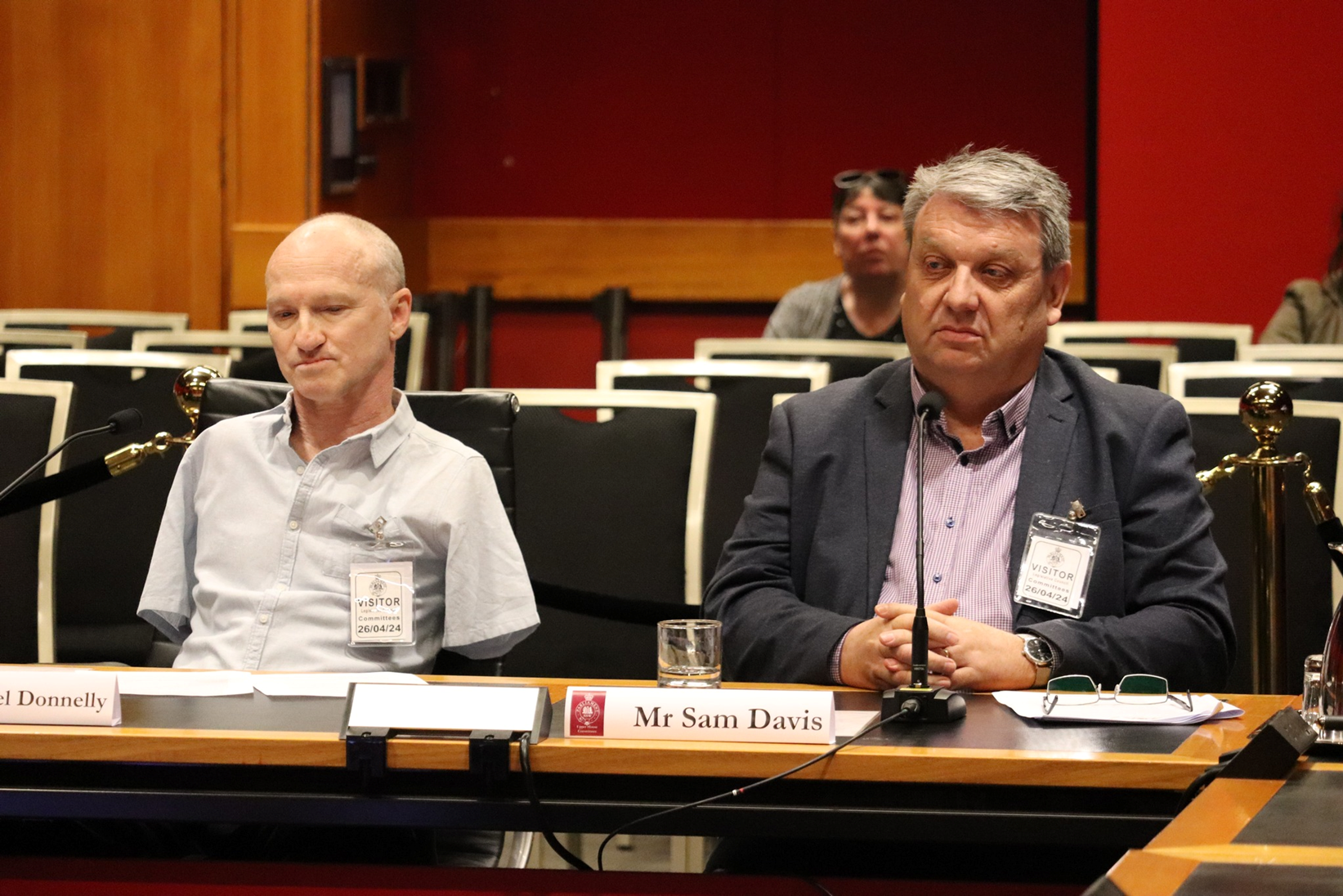
Mr Davis and myself thank you for allowing us to testify today and we welcome your questions.
Originally published: June 2024 ACE Newsletter.


