It can be daunting to consider sending your horse away for training, as there are a lot of decisions and much preparation involved. If you make the wrong choices, the outcome can have serious consequences for you and more-so your horse.
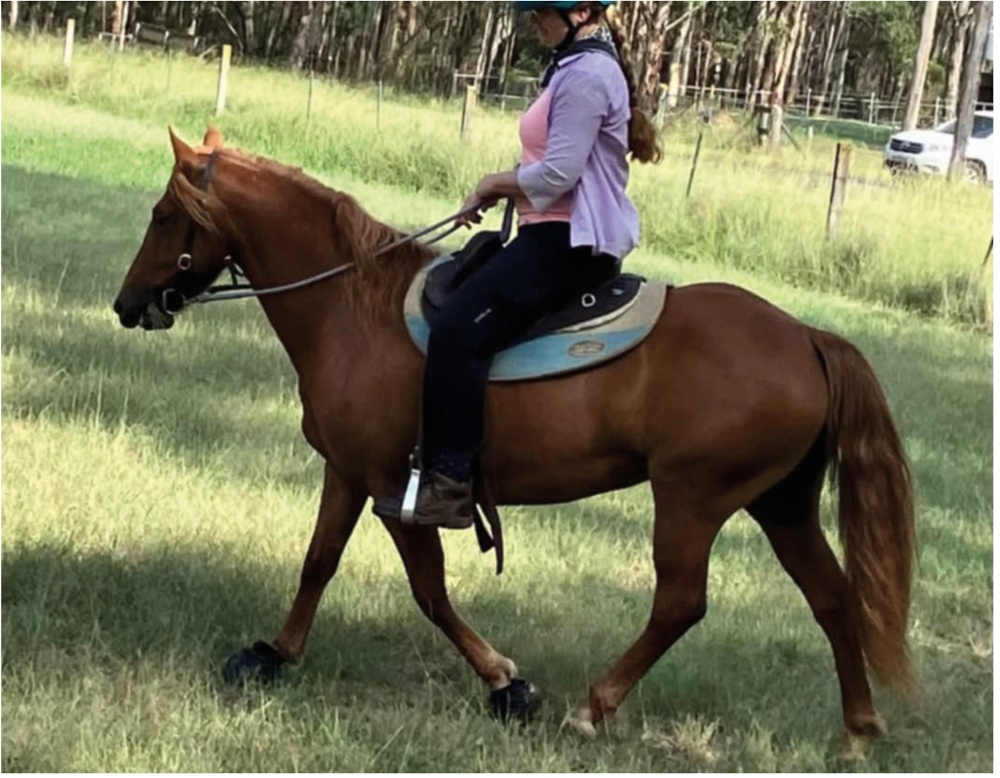
I have a background of experience in various disciplines within the equine industry, so I have seen the good, the bad and the downright ugly. When it came time to make the decision on getting a professional to start my Kosciusko Brumby mare, Gypsy, I really wanted to have peace of mind about her welfare.
I originally wanted to start Gypsy under saddle myself and had got her to the point where she was taking the saddle and letting me on her. Unfortunately, I was under time constraints, working long hours with my full-time work and working weekends with my part time job, that my training just wasn’t consistent enough to make any real progress. Thankfully, Brumbies are super smart and Gypsy would pick up things very quickly and remember everything she learnt.
I had spent time following various local trainers on social media, taking in the type of content they posted, watching their style of training and how they handled the horses in their videos. I did not want my horse started in the age-old traditional methods; I did not want my horse to be forced to accept a rider at any cost. I did not want a shell shocked shut down little pony that had to just accept defeat and comply.
Unfortunately, even with science-based evidence in horse behaviour and physiology proving that conventional training methods cause more harm than good, there are still many people in the equine industry who refuse to move past the old archaic practices. Even more daunting is that there are also high-profile horse trainers and riders that are enveloped in the use of training practices that are not in the best interest of horse welfare.
If I am to impart any advice from my own experience, it would be as follows;
Research a few trainers who have qualifications and experience in the area in which you want your horse trained. You want transparency first and foremost. A trainer who puts there work out there for others to see, and does not need to hide or make excuses for the equipment they use or how they handle/interact with the horses. whether it is starting a horse, a dressage lesson or training a show jumper, you want your trainer to be qualified in area of your chosen discipline in which you are looking to have your horse trained. In the world of Google it is also fairly easy to check out the reputation of a trainer, but don’t be afraid to ask other people in the industry their thoughts, doing this can give you insight to personal experiences they may have had with certain training situations.
When enquiring with trainers you need to ask them plenty of questions, having a pre written list of things you need to know before contacting potential trainers is very helpful and should cover the following; cost, what is involved in that cost, payment methods, frequency of payments, will there be updates and how often. Are you able to view training sessions and visit your horse on the property, are you encouraged to be part of the process where you have lessons, what things are not inclusive of the cost, expected duration of the training service.
It is also important to give the trainer as much information about your horse as you can, such as age, education status, current status in dental and soundness, if you are barefooting your horse or need it shod, behavioural characteristics that may be problematic, diet, and most importantly, what your goal is for your horse and what outcome you are expecting from the trainer’s service.
I am pleased to say that doing all of the above in my search for a trainer paid off. I found an amazing trainer that was not only qualified and experienced, but was very transparent and empathic in her methods and training style which aligned very much with my values and expectations in how I wanted my brumby started. In short, the trainer I chose was a very good match for my little mare. I was also encouraged to be part of the training process with as many training visits and lessons I could make. Any concerns my trainer had about my horse, she would contact me straight away to discuss. I received weekly updates along with videos of the training sessions and progress on her social media page. My trainer and I were able to form a good relationship and communication that revolved around the welfare and best possible outcomes for my brumby Gypsy.
Gypsy is now home from the trainers after 8 weeks, and I am enjoying continuing her education, I could not be any more happier with the outcome of my little mares training. I am looking forward to preparing my other brumby mare, Tilda to go to the same trainer in 12 months time.
By: Rachel Sydenham- Animal Care Australia Small Mammals Representative. Originally published: March 2025 ACE Newsletter.


