
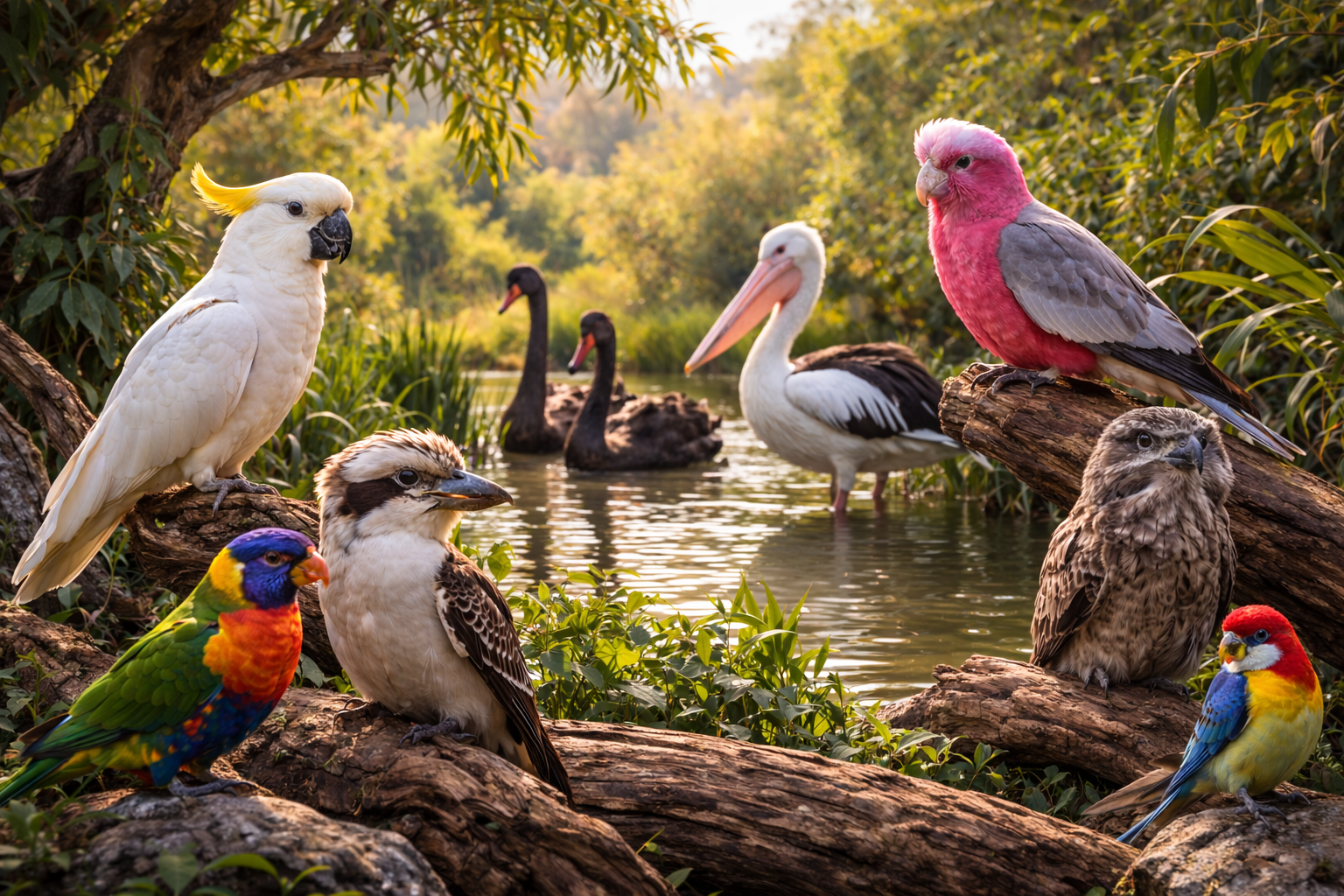
Many Victorian bird keepers will have noticed recent government statements about cracking down on “intensive” wildlife breeding and restricting the size of wildlife collections. These proposals are being framed as animal welfare reforms — something no responsible aviculturist would ever oppose.
But scratch the surface and a more troubling issue appears: these proposals seem to have been developed without meaningful consultation with the very people who have the most experience in bird welfare — aviculturists themselves.
Wildlife law versus welfare law
The proposals arise from the Victorian Government’s response to the Independent Review of the Wildlife Act 1975
That Act exists to protect wildlife in the wild: conserving species, preventing extinction, and regulating human interaction with native animals.
It was never designed to be an animal welfare statute.
That role is already filled by the Prevention of Cruelty to Animals Act 1986 (POCTA), administered by Animal Welfare Victoria. POCTA applies to all birds — native and non-native — and is supported by detailed Codes of Practice covering housing, care, and husbandry.
In short, Victoria already has a functioning, enforceable welfare framework. The question is not whether welfare should be regulated, but whether wildlife law is the right place to do it.
A worrying lack of consultation
One of the most concerning aspects of the current proposal is that representative avicultural bodies were not involved in shaping the recommendations now being justified on “welfare” grounds.
Organisations such as Animal Care Australia, the Victorian Avicultural Council, the Avicultural Society of Australia, the National Finch and Softbill Association, Mornington Peninsula Avicultural Society and others represent thousands of experienced keepers across Victoria and nationally. These groups work daily with welfare standards, education, codes of practice, and compliance.
Yet they had no meaningful role in the Review that has led to proposed restrictions on breeding and collection size.
Good welfare policy depends on practical expertise. Excluding those with decades of hands-on experience risks policy being shaped by assumptions rather than evidence.
Bigger does not mean worse
Another problematic assumption is that larger collections or higher levels of breeding are inherently linked to poor welfare.
Anyone who keeps birds knows this doesn’t reflect reality.
Birds do not breed successfully, display natural behaviours, or maintain condition in poor welfare environments. Aviculture is outcome-driven: healthy birds, stable behaviour, and successful breeding are clear indicators that welfare standards are being met.
In practice, aviculturists with larger collections are usually highly experienced specialists, deeply embedded in club networks, operating under formal and informal codes of practice, and subject to greater scrutiny, not less.
Experience from other animal sectors also shows that blunt, numbers-based regulation can backfire — pushing activity into smaller, harder-to-monitor settings where welfare oversight is weaker.
Aviculture already delivers welfare outcomes
Australian aviculture has a long history of responsible self-regulation. Clubs and federations promote best practice, educate members, and enforce standards at events and sales.
Victoria already recognises this through mechanisms such as the Declared Bird Organisation system, which allows bird sales to operate under agreed welfare frameworks. That recognition exists because aviculture has demonstrated it can manage welfare responsibly.
Captive breeding of native birds also delivers broader benefits: maintaining bloodlines, supporting conservation outcomes, and reducing pressure on wild populations.
Getting reform right
No aviculturist disputes the importance of animal welfare. What is being questioned is the wisdom of regulating welfare through wildlife legislation, targeting native bird keepers specifically, and doing so without proper consultation with representative bodies.
If welfare standards need strengthening, POCTA is the correct tool. It applies equally to all birds, focuses on outcomes, and already has enforcement mechanisms in place.
Good policy comes from evidence, expertise, and engagement. For the sake of both birds and the people who care for them, aviculture deserves a seat at the table — not to resist welfare reform, but to help get it right. It is therefore reasonable to ask why such far‑reaching recommendations have been made in the absence of supporting evidence. Perhaps this reflects the growing influence of animal‑rights ideologies that seek to end all forms of captive animal keeping, regardless of welfare outcomes or conservation benefits.
By: Sam Davis – Animal Care Australia Bird Representative. Published: March 2026 ACE Newsletter


