
What the government proposed
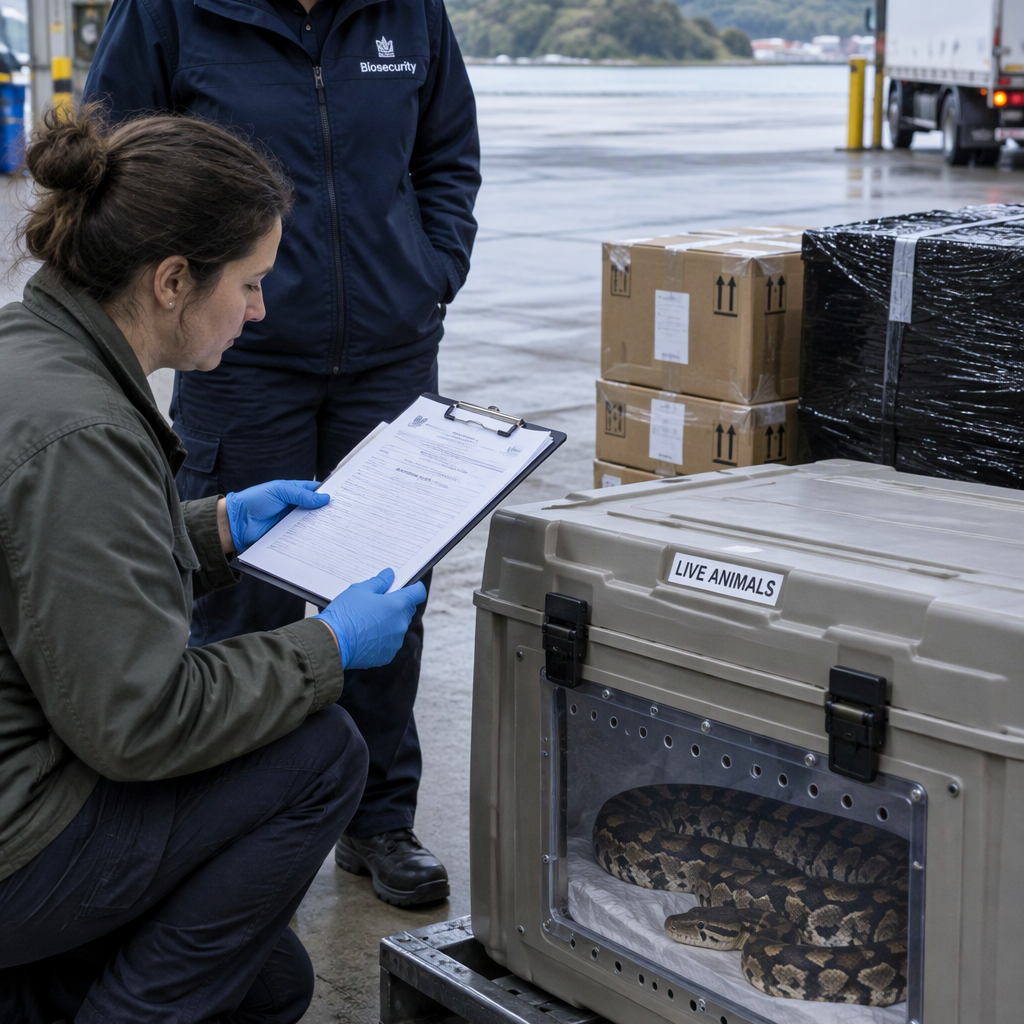
The Tasmanian Government’s Import Risk Analysis (IRA) recommends these additions to existing import rules:
- Pre-import testing for four pathogens: Nidovirus, Ranavirus, Mycoplasma and Cryptosporidium.
- Biosecure disposal of snake waste (faeces and substrate) from Tasmanian enclosures, through a municipal waste facility.
- Import only snakes from facilities with high health-monitoring standards, certified by a reptile-experienced veterinarian, and with no detected infectious pathogens in the preceding 12 months.
- 90 days of pre-export quarantine with vet exams and certification, multiple PCR tests, possible extra quarantine, microchipping of all imported snakes, and a restriction of permitted imports to pythons and boids.
Why the issue matters
Tasmania’s native wildlife and ecosystems could be harmed by exotic pathogens. Exotic viruses have already been detected in Tasmanian captive snake populations despite existing quarantine and veterinary requirements. The IRA also acknowledges major gaps in knowledge, including the presence or absence of these pathogens in wild Tasmanian snakes and the susceptibility of native elapids to several viruses.
What Animal Care Australia identified
- Evidence gaps: The assumption that certain pathogens are absent from wild Tasmanian snakes needs investigation. Cross-species transmission and impacts on other wildlife are unknown.
- Proportionality: The IRA shows different risk levels across pathogens, so the species restriction to pythons and boids needs clearer justification and should be no broader than necessary.
- Animal welfare: Repeated testing, quarantine, handling and transport can stress animals. The IRA itself accepts that excessive testing can harm welfare.
- Practicality and illegal imports: Overly restrictive or costly rules could push people toward illegal importation, which may bypass disease screening altogether. Availability of reptile vets, diagnostic tests, accredited source facilities and quarantine facilities all affect whether the rules work.
- Unclear definitions: The 12-month pathogen-free rule, the vet certification standards and the evidence required are not defined.
- Consistency: Enclosure and biosecurity standards should apply equally to all facilities, whatever their licence type.
Animal Care Australia’s recommendations
- Support in principle the three additional measures (pathogen testing, waste disposal, source-facility requirements), provided they are scientifically justified, consistently applied and practical.
- Clarify the species restriction with clear scientific justification.
- Develop testing and quarantine protocols with reptile veterinarians. Minimise handling, use the fewest tests the evidence supports, and consider quarantine at the intended premises where appropriate.
- Prioritise veterinary intervention and humane treatment if an animal becomes ill in quarantine.
- Define the 12-month rule clearly. A facility with a past detection that has been properly managed should not be permanently excluded, though any decision should rest on current veterinary evidence.
- Separate essential requirements from recommended husbandry practices and set measurable standards with practical compliance guidance.
- Fund surveillance of wild Tasmanian snake populations.
- Build in periodic review of the IRA and conditions as new evidence emerges.
- Consult widely with Tasmanian and mainland reptile vets, licensed wildlife parks, reptile keepers and breeders, biosecurity specialists and welfare groups.
What outcome Animal Care Australia is seeking
Final import conditions that protect Tasmania’s wildlife while being scientifically defensible, proportionate, practical, enforceable and welfare-protective. Specifically:
- a clearly defined 12-month rule that avoids indefinite exclusion;
- clear compliance guidance;
- a formal review process;
- funded surveillance;
- ongoing consultation, including a meeting with the department.
Animal Care Australia does not oppose the proposed measures. It seeks refinements to them.
Animal Care Australia’s submission.


