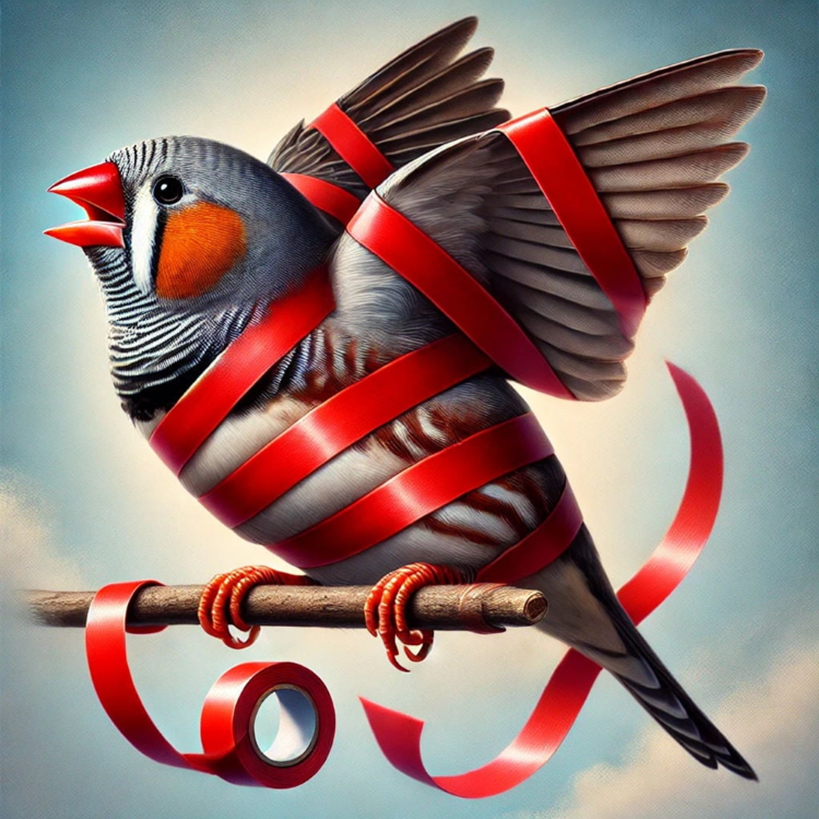
The Draft “Dealing in Protected Birds Code of Practice 2023” marks yet another step in what has been an exhausting and frustrating journey for aviculturists in NSW. Over the last decade, I have personally seen the government’s repeated attempts to reform avian licensing systems fail to reflect the practical needs of those involved in bird keeping. Despite repeated promises for a streamlined, risk-based system, as recommended in the “2014 Biodiversity Review”, little progress has been made. Instead, aviculturists are met with increasing red tape and a licensing system that seems neither functional nor in line with the conservation goals it claims to support.
Background: A System Designed for Preservation
Aviculture has long been focused on the preservation of species. Bird keepers work tirelessly to maintain genetically diverse populations of native and exotic birds, contributing to conservation efforts by ensuring that species can thrive in captivity. Over the decades, the illegal trapping of native species has been almost entirely stamped out within the aviculture community in Australia. Indeed, the focus is now squarely on preserving species, especially those that may be vulnerable in the wild.
Despite this, the NSW National Parks and Wildlife Service (NPWS) has struggled to create a functional, risk-based licensing system that aligns with the recommendations of the “2014 Biodiversity Review”. The report recommended reducing regulatory burdens for commonly kept species and engaging community-based programs that would support the conservation and preservation of avian species. Yet, in the years since, NPWS has consistently failed to deliver on these goals.
A Broken Licensing System
Aviculturists have long been advocating for a licensing system that reflects the realities of bird keeping. Unfortunately, what we are faced with instead is a system that does little more than create unnecessary bureaucratic hurdles. Non-compliance with the current system is widespread, and it’s not because of a desire to evade regulation—rather, it’s because the system itself is broken. The requirements for licensing are convoluted, and the licensing scheme does nothing to protect wild populations of our native birds.
In fact, the current system makes it easier for those with ill intentions to work around the law. Once someone acquires a pair of native birds, they can claim that all subsequent offspring were bred in captivity. Aviculturists are keen to assist with conservation and preservation, we desire a licensing system that works, encourages and acknowledges the contribution bird breeders can make to both conservation and preservation of species.
A Missed Opportunity
In 2017, the NSW government allocated $2.5 million to develop a truly risk-based licensing system that would address the core issues sensibly. A comprehensive package was created, which had widespread support across the avicultural community, and from other key stakeholders. This reform package included risk assessments for numerous species and was based on input from a wide range of experts, including representatives from wildlife rescue, the pet industry, and aviculture clubs.
However, despite all the work that went into this reform, the package was never implemented. Internal resistance from NPWS, compounded by opposition from the RSPCA and other groups such as WIRES, prevented the reform from progressing. The RSPCA, while an organisation that enforces cruelty laws, has no expertise in wildlife conservation or aviculture. Their opposition to reforms that would benefit the preservation of species in captivity has only served to further alienate aviculturists from the regulatory process.
Recent Developments: A Temporary System That’s Not Fit for Purpose
The latest failure from NPWS came when the contract for its online record-keeping system expired. Rather than having a functional new system ready, NPWS hastily threw together a temporary form-based system, which is riddled with issues. This system is cumbersome, inefficient, and entirely unfit for purpose. Aviculturists attempting to comply with the already burdensome licensing requirements are now faced with an online system that creates more problems than it solves. This incompetence is only going to lead to further non-compliance, and a deepening mistrust between aviculturists and NPWS.
If the aim of the NPWS licensing scheme is to protect wild populations of native species, it is failing spectacularly. Rather than fostering compliance and building trust, NPWS has created a system that is so dysfunctional that it actively discourages people from participating. Aviculturists are your allies in conservation, not your adversaries. Yet time and time again, NPWS has shown that it is more interested in maintaining control over a broken system than in working with aviculturists to create a solution that works for everyone.
The Draft Code of Practice 2023: A Step Backwards
After much lobbying, a further process commenced with an additional budget of at least $750,000. We were assured of openness accountability and transparency multiple times by Peter Stathis, who led the project on behalf of NPWS. Nothing could be further from the truth. Documents that most departments routinely include on their websites have been refused with formal legal requests required to obtain them. Questions regarding openness accountability and transparency have been asked by members of parliament and still NPWS resists.
When the Draft Code of Practice 2023 was presented, it quickly became clear that this so-called “risk-based” system was not what it seemed. Rather than reducing red tape for common avicultural species, the draft includes more restrictions than the current licensing regime. Under the new code, bird keepers would be required to register with NPWS, report any bird trades within seven days, and be limited to trading no more than 30 birds per year. These requirements are not only more restrictive than the current licensing system, but they also make no sense from a conservation perspective.
At a meeting of the Species List Advisory Committee (SLAC) where the Draft Code was first presented, multiple members expressed confusion and frustration over the new restrictions. Despite this, NPWS refused to explain why these additional limitations were included or who had proposed them. The Draft Code as it stands is more about controlling aviculturists than about protecting wild populations, and it will only lead to further non-compliance.
Moving Forward: Real Solutions
It’s time for NPWS to take a step back and reconsider its approach to avian licensing. The $2.5 million reform package developed several years ago remains the most viable solution. It was created with the input of all relevant stakeholders and was designed to create a risk-based system that would reduce unnecessary regulation while still protecting native species. To resolve the impasse, NPWS must implement the $2.5 million reform package or the 32 common species that were identified as candidates for deregulation should simply be moved onto the exempt list within the “Biodiversity Conservation Regulation 2017”.
NPWS: We will continue to push back
For years, aviculturists have been calling for a risk-based licensing system that reduces red tape and fosters collaboration between bird keepers and conservation authorities. Instead, we have been met with delays, incompetence, and a licensing regime that seems designed to frustrate rather than to protect. The recent introduction of a temporary online system that is riddled with problems is just the latest in a long line of failures from NPWS.
It’s time for NPWS to listen to the people who are actually working to preserve species and implement the reforms that were developed years ago. We need a system that works, one that supports aviculture as a key player in the conservation and preservation of species. Until that happens, the avicultural community will continue to push back against a licensing regime that does more harm than good.
By: Sam Davis- Animal Care Australia Bird Representative. Originally published: December 2024 ACE Newsletter.


