
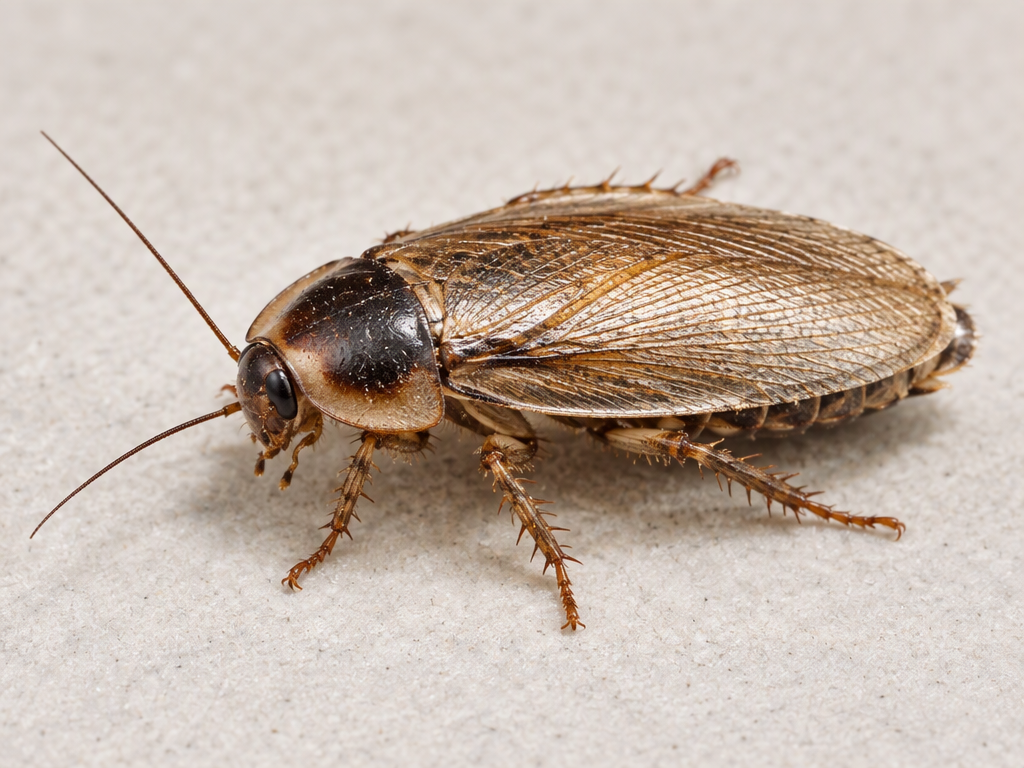
What the Government proposed
The Australian Government proposed amending the List of Specimens Taken to be Suitable for Live Import (Live Import List) to include the Dubia Roach (Blaptica dubia) under Part 2, allowing its import for commercial purposes, subject to appropriate conditions and restrictions.
The application seeks formal recognition and a regulated pathway for commercial production and supply of this species as a live feeder insect.
Why the issue matters
Dubia Roaches are an important food source for reptiles, amphibians, insectivorous birds and other animals kept in captivity, including those in zoological collections.
They offer nutritional and practical advantages over alternative feeder insects, including lower parasite transmission risks, easier containment, reduced odour and no noise.
Uncertainty surrounding their legal status and recent enforcement action against domestic breeders and traders has created financial losses, disrupted supply chains and risks driving the existing trade underground.
This has implications for animal welfare, responsible animal keeping, commercial operators and Australia’s biosecurity management.
Animal Care Australia identified
Animal Care Australia identified several important considerations:
- Animal welfare: Dubia Roaches provide a valuable, nutritious feeder insect, with welfare advantages over commonly used alternatives such as crickets.
- Biosecurity: There is no confirmed evidence of self-sustaining wild populations outside their native South American range, despite decades of international commercial trade.
- Regulatory inconsistency: Domestic trade has operated openly across most mainland states, with differing interpretations and enforcement between government agencies.
- Unintended consequences: Enforcement against established domestic breeders and traders risks encouraging concealed trade, uncontrolled disposal and accidental or deliberate release.
- Manageable risks: The species has biological characteristics that assist containment, including an inability to climb smooth surfaces, limited dispersal and no powered flight.
- Community and industry impact: A prohibition would affect reptile and amphibian keepers, zoos, wildlife facilities, feeder-insect producers and pet retailers.
Animal Care Australia considers that regulated trade offers better opportunities to manage biosecurity risks while maintaining positive animal welfare outcomes.
Animal Care Australia’s recommendations:
- Approving the application to include Blaptica dubia on Part 2 of the Live Import List, subject to appropriate conditions.
- Maintaining DAFF biosecurity approval, quarantine and import controls for any future imports.
- Introducing proportionate containment, transport, waste-disposal and commercial registration requirements.
- Establishing clear education, husbandry and welfare standards, including a Code of Practice for feeder-insect keeping.
- Providing a lawful, non-punitive surrender and transfer pathway for existing keepers and breeders.
- Pausing enforcement action against holders of Australian-bred stock while the assessment is undertaken.
- Consulting Animal Care Australia’s Insect and Reptile Representatives when developing final containment standards and purchaser information.
- Reviewing Tasmania’s stricter import restrictions following any federal approval.
Animal Care Australia also offered to assist the department in developing and promoting a Code of Practice for feeder-insect husbandry.
What outcome Animal Care Australia is seeking
Animal Care Australia is seeking a nationally consistent, evidence-based and regulated pathway that recognises the legitimate use and commercial production of Dubia Roaches in Australia. The desired outcome is to:
- Protect the nutritional needs and welfare of animals that depend on Dubia Roaches as a feeder insect.
- Provide certainty for responsible keepers, breeders, retailers and commercial operators.
- Replace inconsistent enforcement and regulatory uncertainty with transparent, practical requirements.
- Maintain appropriate biosecurity safeguards through containment, monitoring, education and accountability.
- Ensure existing Australian-bred populations can be managed legally and responsibly rather than driven underground.
Animal Care Australia’s central position:
A regulated pathway is both a better animal welfare outcome and a better biosecurity outcome. Rather than prohibiting an established domestic trade, Australia should implement practical, proportionate controls that protect animal welfare while responsibly managing environmental and biosecurity risks.
Animal Care Australia’s submission.


