15th December 2023 – Opening Statement.
Good afternoon,
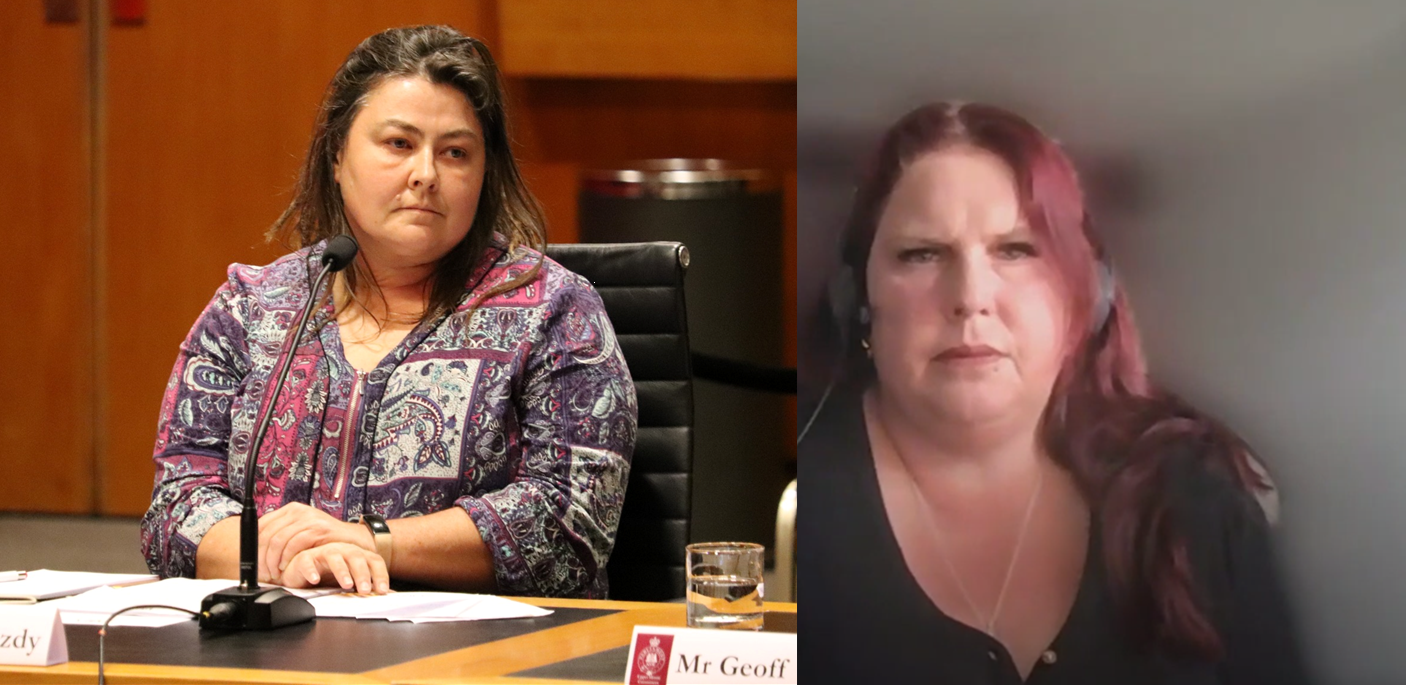
I am Karri Nadazdy – Assistant to the President of Animal Care Australia and I am also the Horse & Livestock Representative. Today I am joined by Kylie Gilbert – the Animal Care Australia Dog Representative.
Animal Care Australia represents keepers and breeders of pets and companion animals nationally and our goal is to promote and encourage high standards in all interactions with the animals in our care.
Animal Care Australia recognises that pounds, shelters, rescues, and rehoming organisations are all different but inextricably linked and with the introduction of the Rehoming Amendment Bill in 2022 the link became more intricate than ever before.
What did not accompany that growing interaction are regulations that ensure the welfare of dogs and cats that find themselves traversing though the system. Equally missing is the same level of insistence that people who run or own rescues must be held accountable for their actions and the welfare of the dogs and cats in their care.
It is astonishing that the government currently holds Councils & Pounds, Boarding Facilities, dog and cat breeders to an expected level of welfare via codes of practice built into the regulations, and yet very few rescues are held equally responsible. Sure POCTAA is there but that requires a complaint and full investigation.
It is also questionable as to why there is an ongoing push for the full traceability of horses and greyhounds and even dogs and cats that leave a breeders care – but there remains a huge gap in the ability to trace dogs or cats that are moved from a pound onto a rescue.
We need to educate society on responsible buying and ownership of pets. After all a large proportion of dogs and cats are in the pounds because of an irresponsible owner. They didn’t research its needs, its behaviour, its potential size when grown up, and some owners have no patience or willingness to recognise their animal needs training for proper social interaction.
Many pounds are inadequately funded. Even less have staff experienced in animal behaviour in order to correctly identify dogs that need re-training and cats that are exhibiting a natural response to being held captive rather than being labelled as feral.
Currently Councils are required to collect a stray animal and take it to their facility – potentially an hour or more away from where it is collected – instead of simply scanning a microchip and returning it immediately to its home – likely in the same neighbourhood. This process adds an extreme level of stress and anxiety on the animals AND is expensive for the Councils.
We are also here to support a review of the NSW Animal Welfare Code of Practice No 5 – Dogs and cats in animal boarding establishments (1996) and for it to be expanded to include all rescues – whether they be private, not-for-profit or commercial.
Animal care is animal welfare and just like for homeless people in society, we need to do more to protect and assist our homeless animals. They deserve better.
We would like to thank the Chair and the Committee for inviting us to appear today and welcome your questions.
Originally published: March 2024 ACE Newsletter.


